
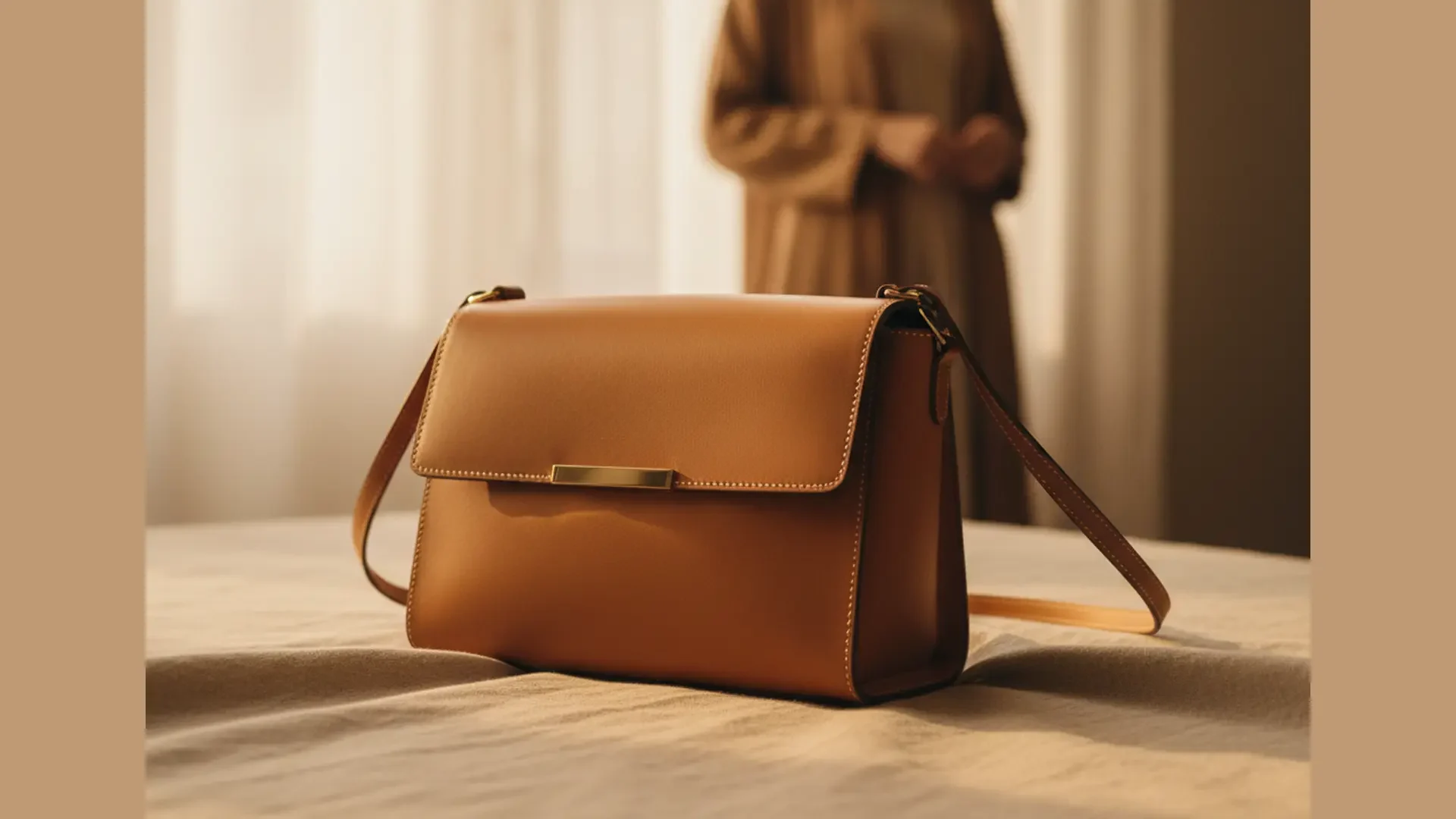
Luxury Meets Conscience
Can you have luxury without compromise? Absolutely, when you know what ethical leather truly means.
Your handbag tells a story. Not just about your style, but about your values. In a world drowning in fast fashion, discerning women are asking better questions: Where did this leather come from? Who made it? Will it last?
Ethical leather means more than a buzzword, it’s leather sourced and crafted with genuine care for animal welfare, worker rights, and environmental impact. Nappa leather, when ethically sourced, represents the pinnacle: buttery soft, incredibly durable, and timelessly elegant.
This guide cuts through the marketing noise. You’ll learn exactly what makes ethical leather bags for women truly ethical, why Nappa leather is worth the investment, and how to care for it so it lasts decades, not seasons.
Whether you’re buying your first quality leather bag or expanding your collection, you deserve the truth about what you’re carrying.
What Defines Ethical Leather Sourcing?
Real ethical leather starts at the source-long before artisans shape it into beautiful bags.
Beyond Cruelty-Free: The By-Product Difference
Here’s what most brands won’t tell you: by-product leather is the gold standard for ethical sourcing.
By-product leather comes from animals raised for food, meaning no animal dies solely for its hide. At Monarva, we source exclusively from Eid-ul-Adha traditions where cattle receive humane treatment according to strict Islamic welfare guidelines.
Why this matters:
Animal welfare comes first – Islamic law requires proper feeding, housing, and gentle handling throughout the animal’s life. The process itself follows humane protocols that minimize suffering.
Zero waste philosophy – Using hides from the food industry honors the whole-animal principle. Otherwise, these materials become waste. This approach respects both the animal’s life and environmental resources.
Complete transparency – Unlike mystery-origin leather, traditional sourcing offers traceability. You know exactly where your bag’s leather came from and how the animals were treated.
Cultural sustainability – Supporting time-honored practices helps communities that have prioritized animal welfare for generations, not industrial operations where profit trumps ethics.
The contrast is stark. Industrial leather often comes from facilities where animal welfare ranks below production quotas. When you choose ethical leather bags for women made from by-product materials, you’re saying animal dignity matters.
Fair Trade: The Human Side of Ethics
Ethical sourcing means treating people right, too.
The leather industry has a dark history with labor exploitation-particularly in tanning facilities where workers face harsh chemicals without protection. Not at Monarva.
Fair wages matter – Our Bangladeshi artisans earn above living wage standards. These are master craftspeople with generational expertise who deserve compensation that supports their families.
Safety isn’t negotiable – Every partner facility maintains strict safety protocols: proper ventilation, protective equipment, and regular health monitoring. Your beautiful bag should never cost someone their health.
Skills deserve investment – We fund ongoing training that helps artisans refine techniques and increase earning potential. This preserves traditional craftsmanship while adapting to modern standards.
Women get opportunities – In traditionally male-dominated leather work, we actively create space for female artisans, promoting economic empowerment and family stability.
Transparency, not excuses – Direct supplier relationships eliminate murky middle layers where standards break down. We verify conditions personally.
When you invest in Monarva’s ethical leather bags for women, every stitch represents fair pay, safe conditions, and respect for skilled hands.
The Quality Hierarchy: Why Nappa Leather Wins
Not all leather is equal. Understanding quality grades is crucial for bags meant to last decades, not seasons.
Full-Grain vs. Top-Grain vs. Genuine Leather
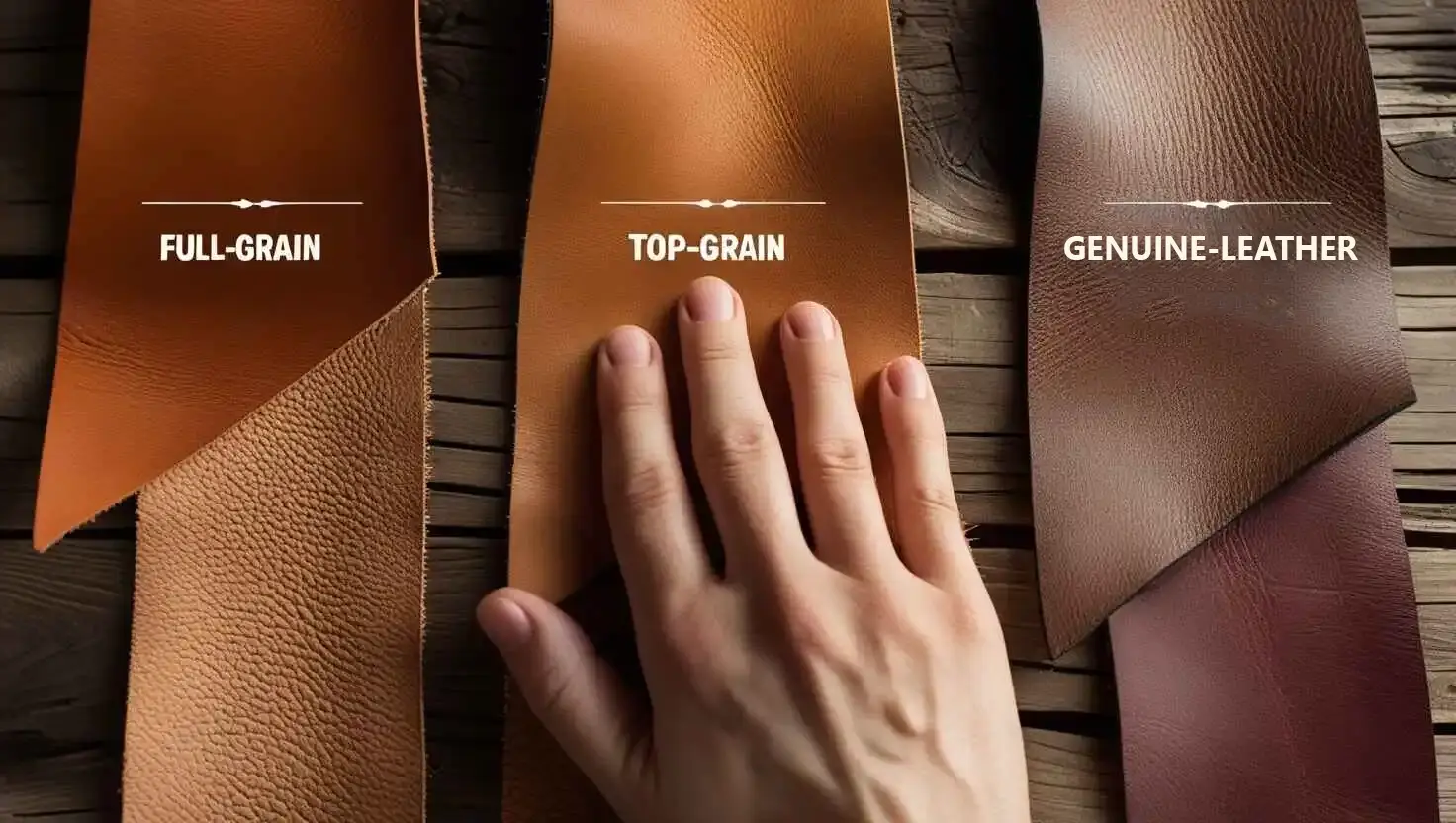
Full-Grain Leather – The absolute best. Preserves the entire hide surface including natural markings and texture. Minimal processing means maximum durability and breathability. Develops rich patina over time. Most expensive, but worth it for 30+ year pieces.
Top-Grain Leather – Very high quality. Lightly sanded for uniform appearance, then finished. Slightly less breathable than full-grain but still extremely durable. More stain-resistant. Mid-to-high price point. Great balance of aesthetics and performance.
Genuine Leather – The lowest real leather grade. Heavy sanding, embossed patterns, thick coatings. Looks plastic-like, doesn’t age well, prone to cracking. Budget option that won’t last.
The sustainability truth: A full-grain or top-grain bag lasting 20-30 years beats three “genuine leather” bags that die in 5 years. Higher quality = better environmental choice.
What Makes Nappa Leather Special?
Nappa leather isn’t a grade, a finishing process applied to top-quality hides (usually lamb, kid, or calf) that creates something extraordinary.
Monarva uses premium Nappa leather from top-grain sources. Here’s why it’s exceptional:
Incredibly soft – Butter-soft to touch, yet structurally strong. This isn’t weakness; it’s expert tanning that preserves natural oils while maintaining fiber strength.
Breathes naturally – Unlike synthetics, Nappa leather ventilates. This keeps your belongings fresh and the leather healthy. Essential for bags carried daily.
Elegant drape – Moves beautifully, creating graceful lines perfect for modest fashion. Pairs gorgeously with flowing abayas and maxi dresses.
Refined sheen – Soft, natural glow that suggests luxury without screaming it. Sophisticated, not flashy.
Surprisingly durable – Despite softness, properly cared-for Nappa resists tearing and maintains shape for years. The tanning process actually preserves fibrous structure.
Ages beautifully – Accepts rich, even color that stays vibrant. Develops attractive patina that enhances appearance over time.
Ethical bonus: Nappa’s longevity means fewer replacements = less consumption. Minimal processing uses fewer harsh chemicals. The softer hides typically come from younger animals raised in better conditions.
A Monarva Nappa leather bag honors the material through decades of service while delivering daily tactile pleasure.
Why Artisan Craftsmanship Matters?
Quality leather is just the start. Transformation into a lasting handbag requires skill, time, and obsessive attention to detail.
Hand-Stitching Beats Machines
In the automation age, hand-stitching seems old-fashioned. But for bags meant to last generations? It’s superior.
Strength advantage – The saddle-stitch technique (two needles working simultaneously from opposite sides) creates locked stitches. If one breaks, others hold. Machine stitching? Single thread that can unravel completely.
Material sensitivity – Skilled hands adjust tension, angle, and stitch length based on leather thickness and stress points. Machines can’t adapt like this.
Character and authenticity – Slight stitch variations prove human craftsmanship. These “imperfections” distinguish genuine artisan work from industrial production.
Reinforcement expertise – Monarva artisans reinforce critical stress points, strap attachments, corners, closures, using techniques learned over generations.
Edge finishing perfection – Multiple stages of sanding, dyeing, burnishing, and polishing create smooth, sealed edges that resist fraying and moisture. This time-intensive process showcases quality craftsmanship.
The Modest Investment Philosophy
Modest fashion isn’t just clothing, it’s mindful consumption. Quality craftsmanship aligns perfectly.
Real cost analysis: A $300 artisan Nappa leather bag lasting 15 years costs $20/year, under $2/month. A $50 fast-fashion bag replaced annually costs $750 over 15 years. The “expensive” bag is actually economical.
Emotional connection – Visible craftsmanship creates attachment. You’ll maintain, repair, and treasure something made with care. This relationship embodies modest living principles.
Repair potential – Hand-stitched seams can be re-stitched. Quality hardware replaced. Nappa leather conditioned and restored. Mass-produced glued bags? Replacement only.
Supporting livelihoods – Your purchase helps skilled craftspeople earn fair wages, preserves traditional knowledge, and sustains communities.
Discover the designer behind your monarva handbags
Expert Care: Make Your Bag Last Decade
Proper care honors the materials and craftsmanship invested in your ethical leather bags for women.
Daily Care Essentials
Smart Handling:
- Clean, dry hands only (wait 15 minutes after applying lotion)
- Never place on floors, use the dust bag as a barrier
- Don’t overstuff, capacity limits
- Rotate between bags to give leather “rest days”
- Check weather and avoid heavy rain
Storage Fundamentals:
- Stuff with acid-free tissue to maintain shape
- Always use breathable dust bags (never plastic)
- Store in cool, dry areas away from sunlight (60-70°F ideal)
- Keep upright or hanging (if handles are reinforced)
- Allow air circulation, don’t stack bags tightly
How to Clean Nappa Leather Handbag (Step-by-Step)
Weekly Quick Clean (5 minutes):
- Empty and shake out debris
- Vacuum interior with soft brush attachment
- Wipe exterior with dry microfiber cloth
- Polish hardware with separate cloth
Monthly Deep Clean (20 minutes):
Step 1: Prep
- Test products on hidden area first
- Gather: two microfiber cloths, distilled water, pH-balanced leather cleaner, conditioner
Step 2: Clean
- Dampen cloth with distilled water (not soaking)
- Gently wipe in small circles, one section at a time
- For tough spots: add tiny amount of cleaner to cloth (never directly on leather)
- Blot stubborn areas, don’t rub
Step 3: Dry
- Use second dry cloth to absorb moisture immediately
- Air dry 2-3 hours away from heat/sunlight
- Never use hair dryers or heaters
Step 4: Condition
- Once completely dry, apply small amount of conditioner to cloth
- Work into leather with gentle circles
- Focus on handles, corners, high-stress areas
- Let absorb 15-20 minutes
- Buff with clean cloth for subtle sheen
Emergency Stain Fixes:
Water spots: Dampen entire affected panel evenly to prevent rings. Blot and air dry. Condition when dry.
Oil stains: Blot immediately. Sprinkle cornstarch on stain overnight. Brush away gently. Persistent stains need professional help.
Ink marks: Don’t DIY with solvents, they damage Nappa. See a professional.
Color transfer: Gently rub with damp cloth and minimal cleaner. Significant transfer needs professional care.
Weather Protection Strategies
Sun Damage Prevention:
- Never leave in direct sunlight (especially car dashboards)
- Apply UV-protective conditioner seasonally
- Store away from windows
Rain Emergency Protocol:
- Apply water-repellent spray before first use and seasonally
- If caught in rain: blot immediately, stuff to maintain shape, air dry at room temperature
- Condition once completely dry
Winter Challenges:
- Keep bags close to body in extreme cold
- Wipe away road salt immediately with distilled water
- Condition more frequently to combat drying from indoor heat
Humidity Control:
- Use silica gel packets in storage
- Ensure good air circulation in closets
- Check monthly for mold (white spots, musty odor)
- If mold appears: wipe with barely damp cloth, dry completely, air in sunlight 1-2 hours, professional clean if extensive
FAQ: Your Questions Answered
Is Monarva’s leather sustainable?
Yes, through multiple dimensions:
- By-product sourcing – From animals raised for food (Eid-ul-Adha), not killed for hides
- Longevity focus – 20-30 year lifespan beats multiple short-lived alternatives
- Minimal processing – Quality Nappa needs less chemical treatment
- Artisan production – Small-batch, made-to-order eliminates waste
- Circular lifecycle – Quality leather can be repaired, refurbished, resold
How often should I condition my leather bag?
General rule: Every 3-6 months for regular use in moderate climates.
Adjust for conditions:
- Dry climates/winter heating: every 2-3 months
- Humid climates: every 6-8 months
- Daily use in varying weather: more frequently
Warning signs you need conditioning:
- Leather looks dull or matte
- Feels stiff to touch
- Water absorbs immediately instead of beading slightly
Don’t over-condition: More isn’t better. Excess makes leather floppy and greasy.
Can I use household products to clean leather?
No. These damage Nappa leather:
- Vinegar (too acidic)
- Alcohol/hand sanitizer (dissolves protective finish)
- Baby wipes (wrong pH, leaves residue)
- Dish soap (strips oils)
- Window cleaner (contains ammonia)
- Coconut/olive oil (over-softens, attracts dirt)
Safe alternatives:
- Distilled water + soft cloth
- pH-balanced leather cleaner for soft/Nappa leather
- Professional cleaning for stubborn stains
What if my bag gets scratched?
Minor scratches:
- Rub gently with clean finger, body heat often reduces visibility
- Apply leather conditioner and massage gently
- Buff with soft cloth
- Many integrate into natural patina
Deep scratches:
- If lighter undertones show, you need professional help
- Don’t DIY dye, color matching is complex
- Consult leather restoration specialist
Prevention:
- Keep away from sharp objects, jewelry, belt buckles
- Be mindful in crowds
- Store with padding
Is vegan leather more ethical?
It depends on your priorities.
Real leather advantages:
- Biodegradable (synthetics aren’t)
- Lasts decades (synthetics last years)
- Uses by-product (reduces food industry waste)
- One 30-year bag vs. 10+ synthetic replacements
Vegan leather reality:
- Most are PU/PVC, petroleum-based plastics
- Manufacturing uses toxic chemicals
- Not biodegradable, becomes plastic waste
- Shorter lifespan requires frequent replacement
- Plant-based alternatives (mushroom, cactus) promising but unproven
Monarva’s stance: Ethical by-product leather, crafted for longevity, is currently the most sustainable choice. We’re researching durable plant alternatives that meet our standards.
Bottom line: The most ethical choice, leather or not, is investing in quality, caring properly, and using fully. Choose stewardship over disposability.
Final Words – Invest in What Lasts
Your handbag choice reflects your values. Ethical leather bags for women aren’t just accessories, they’re statements about quality over quantity, craftsmanship over convenience, and consciousness over consumption.
Now you know what truly defines ethical leather: humane by-product sourcing, fair labor practices, and the quality hierarchy that separates investment pieces from disposable fashion. You understand why Nappa leather stands apart, extraordinary softness meeting remarkable durability, aging gracefully over decades.
Most importantly, you’ve learned that ethical leather demands stewardship. Proper care, from daily handling to seasonal conditioning, honors the materials, artisans, and resources invested in creation. Mastering how to clean nappa leather handbag correctly extends its beauty and life, maximizing your sustainable choice.
At Monarva, we believe modest fashion means choosing fewer, better things, pieces crafted with integrity, designed to age beautifully, worthy of the care they require.
Explore our ethically sourced Nappa leather handbags, where your values meet uncompromising quality.
Shop Ethical Leather Bags | Meet Our Designer| Read Our Story